Produce market report
What moved over the last three months on the New York wholesale market, across 419 produce items. 228 changed price.
Week of October 9, 2026
What is moving, and why
79 commodities moved enough this week to be worth explaining. Each note is written from public sources, listed on the product page. Our own quotes come from a New York wholesale supplier — the causes come from the sources, never from us.
- Green onions/scallion+171.4% / 3 months
The New York wholesale market is seeing green onion prices soar to $57.00 per case, marking a dramatic 171.4% increase over the last three months. This significant price escalation is largely due to adverse weather conditions impacting key growing regions in Mexico. Persistent heat and dry weather in Baja California, a major source, have severely stunted growth and reduced yields, while other Mexican districts have experienced monsoon-type rains, further limiting harvestable volumes and contributing to insect damage and smaller sizing. Buyers should expect these extremely limited supplies and associated quality challenges to continue through October, with market conditions not anticipated to stabilize until November.
- Iceless scallion+125.0% / 3 months
The iceless scallion market is currently experiencing extreme tightness, with cases now at $54.00, reflecting a dramatic +125.0% increase over the past three months. This significant price surge is primarily driven by prolonged extreme heat and monsoon-type weather in Mexico's dominant Baja and Mexicali growing regions, leading to severely limited harvests, reduced yields, and smaller sizing. Consequently, growers are implementing prorates, and the constrained supply is further exacerbated by border delays and elevated reefer truck freight costs from the West Coast. While some gradual improvement is anticipated as new Mexican plantings mature and overall production builds through October, buyers should expect prices to remain above average for the near term.
- Lettuce iceberg+94.1% / 3 months
The iceberg lettuce market is experiencing extreme pressure, with cases now quoted at $66.00, reflecting a sharp +94.1% increase over the last three months and a +34.7% rise week over week. This significant escalation is primarily driven by challenging growing conditions in California's Salinas and Central Coast regions, which are currently the main shipping origins. Growers are contending with decreased yields, quality issues such as internal burn, wind burn, and soil-related defects, as well as persistent disease and insect pressure, including Sclerotinia, leading to smaller and lighter heads. Cooler temperatures and recent light rains have further slowed harvest and reduced production by an estimated 10-15%. With the Salinas season winding down and the transition to the Yuma desert region still several weeks away, supplies are extremely limited, and the market is expected to remain very active and volatile in the short term.
- Grape tomato+91.3% / week
Grape tomato prices have surged to $44.00 per case, marking a dramatic +91.3% increase over the past week, driven by a confluence of seasonal transitions and severe weather impacts across key growing regions. Florida's tomato availability is sharply tightening due to widespread hurricane damage, which has significantly reduced crop yields. Concurrently, Mexico is experiencing lighter grape tomato supplies as growers transition to new blocks, further compounded by lingering disruptions from Hurricane Polo causing heavy rain and transportation issues in Baja California Sur and Sonora. With California production winding down for the season and Canadian greenhouse supplies diminishing, the market faces a significant supply deficit. This tight supply, coupled with strong demand, suggests continued upward pressure on prices in the near term.
- Lettuce iceberg cello+90.3% / 3 months
The iceberg cello market has seen a sharp increase, with the current price at $68.00 per case, representing a substantial +90.3% rise over the past three months. This significant upward trend is largely due to the challenging conclusion of the Salinas/Central Coast growing season, where supplies are extremely limited and quality is only fair. Persistent disease and insect pressure, including Impatiens Necrotic Spot Virus (INSV) and Sclerotinia, have severely impacted yields, resulting in smaller heads and lighter weights. As the industry navigates the transition to the Yuma and other desert growing regions, buyers should expect continued tight conditions, inconsistent availability, and elevated pricing in the short term until new crop production fully stabilizes.
- Yellow squash+81.4% / 3 months
Yellow squash is currently priced at $36.00 per case, reflecting an 81.4% increase over the past three months and a 5.9% rise week over week, as supplies remain tight across key growing regions. This significant price jump is primarily due to the ongoing growing-district transition, with summer programs in the Northeast and Canada rapidly winding down as fall temperatures set in, while new production from Florida is just beginning to ramp up and is currently light on volume. Western supplies are also extremely limited, contributing to the overall scarcity. Mexico and Canada are shipping, but the market remains higher as demand outpaces the available supply from these transitioning and limited sources.
- Fancy green squash+79.4% / 3 months
Fancy green squash is currently priced at $34.00 per case, reflecting a substantial 79.4% increase over the past three months. This significant price jump is primarily driven by very tight supplies from key domestic growing regions, including Michigan, Virginia, and California, as the industry navigates the critical summer-to-fall transition. Domestic availability is further constrained by weather-related disruptions and ongoing field transitions, creating a supply gap. Additionally, the market is closely watching the potential impact of Hurricane Polo, which has crossed through Baja, on early fall vegetable crops from Mexico, a crucial winter supplier. Buyers should anticipate continued volatility in the market for the next two to three weeks, with potential for some price relief as new fall blocks begin to increase production.
- Baby green zucchini squash+76.0% / 3 months
The current price for baby green zucchini squash has surged to $44.00 per case, reflecting a substantial +76.0% increase over the past three months and a sharp +57.1% week over week. This significant price hike is primarily driven by a classic growing-district transition, as summer production winds down and fall harvests are just beginning to ramp up. While Florida's fall zucchini season is underway, early October typically sees lighter initial volumes as growers establish their new crop. Similarly, Mexican supplies, though expected to increase seasonally, are likely not yet at peak volume to fully meet demand on the East Coast. This temporary gap in robust supply from major shipping regions is creating a tight market.
- Fancy yellow squash+72.7% / 3 months
Fancy yellow squash is currently trading at $38.00 per case, reflecting a significant 72.7% increase over the last three months, driven by tight supplies across shipping regions. Eastern yellow squash availability is limited, with light volume from North Carolina, New Jersey, and Georgia slowly building, and Florida production not expected until mid-to-late October. Western supplies are extremely limited, with demand exceeding available product. This market tightness is largely attributed to ongoing growing-district transitions and some weather-related issues impacting quality and yields in current shipping areas. While Mexico is shipping, overall supply is not currently meeting strong demand, suggesting continued upward pressure on pricing.
- Cherry tomato+65.9% / 3 months
Cherry tomato prices have surged to $34.00 per case, reflecting a significant 65.9% increase over the last three months, largely due to a challenging supply transition across North American growing regions. California's field production is winding down for the season, while Florida's new crop is only just beginning to enter the market, creating a notable gap in domestic supply. This limited availability is compounded by reduced shipments from Mexico, which has faced adverse weather conditions including heat, rainfall, and the lingering effects of Hurricane Polo, further tightening the market. The persistent 17.09% antidumping duty on Mexican tomatoes also maintains a higher cost floor for a substantial portion of our imports, with elevated truck freight costs adding further upward pressure. Buyers should anticipate firm market conditions and potentially rising prices until new production gains significant volume over the coming weeks.
- Green peppers+61.1% / week
Green pepper prices have surged to $29.00 per case, marking a significant +61.1% increase over the past week, driven primarily by seasonal growing-district transitions and adverse weather impacting East Coast supplies. California's Hollister region is seeing supplies tighten as its season winds down, with the Coachella region just beginning to ship at lower volumes, creating a gap in availability. Concurrently, East Coast production from states like Michigan and Ohio is wrapping up for the season, further constraining domestic supply. Compounding these transitions, recent heavy rains and tropical moisture have led to lighter supplies and quality issues from Eastern growing regions, including North Carolina, which experienced an early frost that affected productivity and slowed harvest cycles. This combination of factors is creating upward pressure on the open market as buyers contend with reduced availability from key shipping areas.
- Broccolini/Aspiration+61.1% / 3 months
Broccolini is currently priced at $58.00 per case, reflecting a significant 61.1% increase over the last three months and a 20.8% jump week over week, as supplies remain extremely limited. California is experiencing tightening availability and low yields due to persistent insect pressure, particularly from the Diamondback Moth, and disease impacting overall production. Concurrently, Mexican production is very light as fields transition, with elevated temperatures and El Niño conditions affecting yields and quality, and new acreage not expected to ramp up until October. Buyers should anticipate continued tight market conditions and elevated pricing through September.
- Hand peeled carrot+58.9% / 3 months
The market for hand-peeled carrots has seen a significant escalation, with the current price at $29.95 per case, reflecting a sharp +58.9% increase over the last three months. This upward trend is primarily driven by the persistent extreme heat wave currently affecting California, the main shipping origin for carrots, which can stress crops and impact harvest and processing efficiency. While general carrot supplies were reported as good earlier in the month, the ongoing high temperatures, coupled with tightness observed in the broader baby vegetable category during regional transitions, likely contribute to the elevated costs for processed items. Additionally, although reefer spot rates saw a slight week-over-week dip, they remain substantially higher year-over-year and have risen over the past month, adding to the overall cost of moving product from California to the East Coast.
- Pony limes+58.3% / 3 months
The current price for pony limes is $19.00 per case, reflecting a substantial 58.3% increase over the past three months. This significant upward trend is primarily driven by the ongoing transition in Mexican growing districts, which typically supply the bulk of the U.S. market. Recent hot weather conditions in these regions are limiting overall volume and causing the new crop to lean heavily towards smaller fruit, making larger sizes increasingly scarce. While some reports indicate a slight week-over-week price softening for general lime categories, the underlying market context for pony limes suggests continued firm pricing due to these specific supply constraints from Mexico.
- Green squash+54.8% / 3 months
Green squash is currently priced at $24.00 per case, reflecting a significant +54.8% increase over the past three months, though prices have held steady week-over-week. This elevated pricing is primarily driven by the ongoing growing-district transition, as summer harvests from regions like Michigan and California are experiencing constrained supplies. While Northeast and Canadian production winds down, new fall harvests are commencing in areas such as California's San Joaquin Valley, North Carolina, and Georgia, with Mexican volume also beginning to ramp up. This temporary supply gap has tightened market availability, but increased yields from these new origins are anticipated to bring some price relief over the next two to three weeks.
- Hand peeled rainbow carrot+53.6% / week
The current price for hand-peeled rainbow carrots is $29.95 per case, reflecting a sharp 53.6% increase over the past week. This significant jump is primarily due to extremely tight supplies of baby vegetables, including carrots, as California's growing regions navigate a transition period. Reports indicate that a combination of southern fields winding down and others closing has led to split labor problems, severely impacting availability for value-added products. Further compounding the issue are product delays and increased dwell times at shippers, particularly affecting the processed sector. Buyers can anticipate some improvement in availability across the board as production is expected to fully transition into the Salinas region by next week.
- Potato GPOD+53.1% / 3 months
The New York wholesale market is seeing GPOD potato prices climb to $49.00 per case, reflecting a significant +53.1% increase over the past three months and an +11.4% rise week over week. This upward trend is largely driven by reduced supply from Idaho, where the 2026 potato harvest is yielding lower volumes and smaller tuber sizes due to a combination of adverse weather, including frost, summer heat, and wildfire smoke, alongside a 5% reduction in planted acreage compared to last year. While Canadian production from Quebec is generally favorable and forecast for a record crop, upcoming weather transitions and increasing freeze risk in October could complicate harvest operations and impact fresh market availability. Compounding these supply-side pressures are elevated truck freight costs, with refrigerated spot rates up significantly year-over-year and diesel prices reaching record highs, further contributing to the higher price at market.
- Tomato on the vine+50.0% / 3 months
The current price of Tomato on the vine at $24.00 per case reflects a significant 50.0% increase over the last three months, primarily driven by seasonal transitions and weather-related supply pressures across key North American growing regions. Supply from California is easing as production shifts southward, while Florida's field-grown crop is just beginning its season with very light volumes. Meanwhile, Mexico, a primary greenhouse origin, has experienced reduced availability due to earlier heat and rainfall, alongside a forecasted decline in exports influenced by existing antidumping duties. Strong demand is further exacerbating the tighter market conditions as local tomato programs wind down for the year.
- Kirby cucumbers+50.0% / 3 months
The current wholesale price for Kirby cucumbers has surged to $48.00 per case, reflecting a significant +50.0% increase over the past three months and a notable +26.3% rise week over week. This sharp upward movement is primarily driven by the ongoing transition of supply from established growing areas into new regions within Mexico, including Baja, which is causing inconsistent availability and fluctuating quality as new crops ramp up. While Canadian greenhouses continue to ship, their growers are contending with escalating production costs, contributing to a higher baseline for cucumber pricing. Buyers should anticipate continued market volatility as Mexican supplies stabilize through this transition period.
- Limes+50.0% / 3 months
The New York wholesale lime market is experiencing a significant price surge, with cases currently quoted at $54.00, reflecting a substantial +50.0% increase over the past three months. This upward trend is primarily driven by supply constraints from key growing regions, as Mexico transitions to new areas where hot weather and intensifying drought conditions are limiting overall volume and favoring smaller fruit sizes. Concurrently, California is also undergoing a crop transition, leading to a notable shortage of larger 175-count and up limes, necessitating substitutions with smaller fruit. Buyers should anticipate prices to remain firm through October as these supply challenges persist.
- French beans+49.7% / 3 months
French bean prices are currently holding at $26.95 per case, reflecting a significant upward trend of +49.7% over the past three months and an 8.0% increase week over week. This surge is primarily driven by tightening supplies of both organic and conventional French beans from key import origins, notably Guatemala and Mexico. Overall production levels are reported to be below normal, coinciding with a stronger fall demand across the market. Buyers should anticipate continued higher pricing in the coming weeks as these supply constraints persist.
- Bi-color corn+47.4% / week
The New York wholesale market is experiencing a notable surge in bi-color corn prices, with cases now quoted at $28.00, reflecting a substantial +47.4% increase over the past week. This sharp upward movement is primarily attributed to the seasonal growing-district transition, as the Northeast sweet corn harvest concludes for the year. While Florida growers are beginning to bring their fall sweet corn to market in October, the volume is not yet at its peak, creating a temporary gap in fresh market supply. This limited availability from current shipping regions is driving the higher prices as demand outstrips the transitioning supply.
- white-corn+47.4% / week
White corn prices have surged to $28.00 per case, marking a significant +47.4% increase over the past week, as the market navigates a challenging transition between growing regions. The Northeast sweet corn season has concluded, while Florida's winter crop is still in its early stages of development, creating a temporary gap in fresh market supply. Compounding this transition, Mexico, a key year-round supplier, is experiencing reduced white corn production due to drought conditions in leading growing areas like Sinaloa. These combined factors are contributing to the current elevated pricing.
- Idaho potatoes+44.7% / 3 months
The New York wholesale market is seeing Idaho potato cases quoted at $39.00, reflecting a significant +44.7% increase over the past three months. This upward trend is primarily driven by a smaller 2026 U.S. potato crop, projected to be the smallest since 2010, with Idaho experiencing notably reduced yields. Hot, dry weather conditions throughout the summer, coupled with severe water shortages and reduced irrigation availability in Idaho's Snake River Plain, have negatively impacted crop development and overall production, leading to an earlier and lighter harvest. Despite favorable quality for some varieties, the diminished supply from the key Idaho growing district is exerting strong upward pressure on prices, with a bullish outlook for open-market potatoes.
- Red pepper-44.2% / 3 months
The current price for red pepper stands at $29.00 per case, reflecting a substantial 44.2% decrease over the past three months. This significant price reduction is primarily driven by a robust and consistent supply flowing into the New York wholesale market from multiple key growing regions. California is maintaining steady red bell supplies from Hollister and Oxnard, while Central Mexico continues to provide good volume. Canadian greenhouse production is at its peak, offering strong availability and contributing to relatively low prices, and the Netherlands is also reporting full production and stable supply. Furthermore, the Dominican Republic has notably tripled its colored pepper volume, adding to the overall market abundance.
- Red endive+44.0% / 3 months
Red endive is currently priced at $46.00 per case, reflecting a significant 44.0% increase over the past three months. This upward trend is largely driven by persistent challenges in California's Salinas region, where low yields, insect pressure, and diseases are impacting leafy green commodities and tightening overall supplies. Concurrently, European growers in the Netherlands and Belgium are anticipating a smaller-than-average endive crop this season due to rising production costs, further limiting air-freighted imports. Additionally, a prolonged heatwave in California and elevated cross-country truck freight rates are contributing to the firm market, suggesting continued pressure on pricing.
- Italian long hot pepper-43.6% / 3 months
The Italian long hot pepper market has seen a substantial price adjustment, with the current price at $22.00 per case, reflecting a significant 43.6% decrease over the past three months. This notable price drop is primarily due to a robust and overlapping supply picture from several key shipping districts. Mexican production of peppers continues to build, providing additional support and improving overall consistency in the market. Concurrently, Canadian greenhouse pepper production remains strong, and Florida is beginning to contribute with new harvests of various pepper varieties. This increased availability from multiple regions has led to a more stable market with consistent supply and good quality, driving prices down as the fall season progresses.
- Blueberries+43.3% / 3 months
The current price for blueberries is holding at $49.00 per case, representing a substantial 43.3% increase over the past three months. This elevated pricing is largely a consequence of the ongoing seasonal transition, as domestic blueberry volumes from the Pacific Northwest, including Oregon, Washington, and British Columbia, are quickly winding down in September. While Peru typically ramps up as a key import origin during this time, the confirmed El Niño conditions are introducing significant uncertainty, with reports indicating steady but limited conventional volumes and very restricted organic availability, potentially impacting future arrivals and overall supply. Furthermore, Mexican blueberry availability is also constrained this month, contributing to the tighter market as the industry shifts to imported fruit.
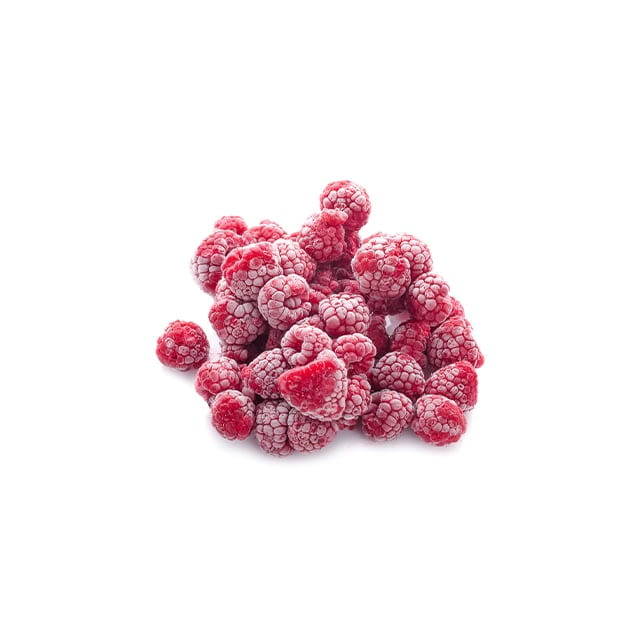
- Frozen raspberries-42.1% / 3 months
The current price for frozen raspberries stands at $44.00 per case, reflecting a substantial 42.1% decrease over the past three months. This significant price correction is largely attributable to an anticipated increase in raspberry harvest from Mexico, a key supplier to the U.S. market, with projections indicating a 7% jump in their 2026 output, and improved supplies expected to cross into the U.S.. Additionally, a robust 2025 frozen raspberry crop in Washington, which accounts for 90% of U.S. production, likely contributed to higher inventory levels entering the current season. Globally, raspberry production has been expanding at a faster rate than consumption, leading to an oversupply of processing berries that can trigger sharp price declines, further contributing to the current market softness.
- Mixed sweet pepper+41.7% / week
The New York wholesale market is seeing mixed sweet pepper prices climb to $34.00 per case, marking a substantial +41.7% increase over the past week. This upward movement is primarily attributed to the ongoing seasonal transition in growing districts, as Canadian greenhouse production winds down and Mexican supplies are still ramping up to full volume, resulting in reduced availability. Further contributing to the tighter market, reports indicate a lighter overall supply of mini sweet peppers and some quality challenges in Eastern growing regions due to recent rain. Buyers should anticipate continued firm pricing as the market navigates these shifting supply dynamics and awaits more consistent volume from new crop sources.
- Celery knob/Celery root+40.5% / 3 months
The New York wholesale market is currently seeing celery knob/celery root priced at $26.00 per case, reflecting a substantial 40.5% increase over the last three months. This significant price surge is primarily due to widespread crop failure and severely reduced harvest volumes for root vegetables, including celery root, which resulted from unseasonably heavy and prolonged rains from late 2025 through early February 2026, creating ideal conditions for blight and root rot in low-lying fields across various growing districts. While the market has shown a 0.0% week-over-week change, indicating a temporary stabilization, the underlying supply deficits from key regions such as California, Michigan, and New York are expected to persist. Professional buyers should anticipate continued price volatility and a rising market, with forecasts suggesting potential further spikes in the near term.
- Red beets-38.6% / 3 months
Red beet prices have seen a substantial decline, with the current wholesale price at $13.50 per case, representing a significant 38.6% drop over the last three months. This favorable pricing for buyers is primarily driven by the robust seasonal ramp-up of supply from key northern growing districts now in their active harvest periods. Michigan is reporting higher yields this season, despite a slightly delayed start to its beet harvest, while Quebec is experiencing good crop progression with adequate soil conditions and beneficial precipitation contributing to strong volume. Additionally, New Jersey is in its main fall harvest for beets, further contributing to the ample supply entering the market. New York, a major producer, is also actively harvesting, with fall roots destined for storage, ensuring continued availability.
- Persian cucumber+38.5% / 3 months
The current price for Persian cucumbers has risen to $36.00 per case, marking a significant 38.5% increase over the last three months and a 5.9% jump week over week. This sharp escalation is largely attributable to severe weather disruptions across major Mexican growing regions, which are primary suppliers to the New York market. Multiple tropical cyclones, including Tropical Storm Isaias and Hurricane Rachel, have brought widespread heavy rains, thunderstorms, and flooding to key cucumber-producing states such as Sinaloa, Sonora, Jalisco, and Michoacán, directly impacting harvest schedules and overall supply. With Mexico already in its lower production season for field crops, these weather events are further constraining market availability and contributing to the higher pricing. Buyers should expect continued firm pricing in the near term as the market navigates these supply challenges.
- Lettuce little gem+37.5% / 3 months
The current price for Little Gem lettuce stands at $44.00 per case, reflecting a significant +37.5% increase over the past three months. This upward trend is primarily driven by the ongoing transition of lettuce growing districts in California, as production shifts from southern fields to the Salinas/Central Coast region, leading to limited availability for various lettuce commodities, including baby vegetables like Little Gem. Reports indicate a challenging period for lettuce supplies in Salinas, with growers experiencing prorates and overall tight conditions. Compounding these supply constraints are elevated truck freight costs from California to the East Coast, as high diesel prices continue to push all-in reefer rates higher.
- Radish watermelon+36.2% / 3 months
Wholesale watermelon radish prices have climbed to $79.00 per case, marking a substantial +36.2% increase over the past three months and a sharp +33.9% rise week over week. This significant upward movement is largely attributable to adverse weather conditions affecting active growing districts. Ohio, a key supplier, has endured unusually heavy rainfall from early September through early October, with precipitation levels reaching 125-400% of normal, potentially impacting root quality and harvest yields. Simultaneously, Quebec and upstate New York are experiencing fluctuating temperatures and increasing frost risks in rural areas, which can disrupt harvesting and reduce available volume as fall crops are brought in. Buyers should anticipate continued firm pricing given these supply-side pressures.
- Cauliflower+35.5% / 3 months
The New York wholesale market is seeing cauliflower priced at $42.00 per case, reflecting a substantial +35.5% increase over the past three months, despite a recent -14.3% week-over-week dip. This upward pressure is primarily due to severely constrained supplies from California's Central Coast and Salinas Valley, where heavy Diamondback Moth pressure and unseasonably warm weather have significantly impacted yields as the season winds down. Growers are experiencing reduced harvestable acreage and are often prorating orders, contributing to the limited availability and difficult market conditions. While Mexican production is anticipated to increase more significantly in October, and Canadian supplies are nearing their seasonal end, buyers should expect continued firm pricing until new volume fully ramps up.
- Honeydew melon-34.8% / 3 months
The honeydew melon market has seen a significant price correction, with the current price holding at $30.00 per case after a -34.8% decline over the past three months. This substantial drop follows a period of tighter supplies and higher prices earlier in the summer. The market is now in a key seasonal transition, as Central California's harvest winds down and new production from Mexico and the Arizona desert begins to ramp up. This influx of fresh volume from these new origins is contributing to the current stability and is expected to provide continued market relief as October progresses.
- Ginger root-34.5% / 3 months
The current price for ginger root is $38.00 per case, marking a significant 34.5% decrease over the past three months. With Mexico serving as the primary origin for ginger shipping into the New York market this October, this price point sits at the lowest end of its 12-month range. Specific published reports detailing the underlying causes for this sharp decline in Mexican ginger supply for October 2026 are not currently available in market intelligence.
- Chef potato-33.8% / 3 months
The current price for Chef potatoes stands at $22.50 per case, reflecting a significant -33.8% decline over the past three months. This downward trend is primarily driven by an ample influx of new crop potatoes entering the market from various North American growing districts. Canada, particularly Quebec, is reporting a record harvest for 2026, with favorable late-summer growing conditions contributing to a 3.7% increase in production compared to last year, adding substantial volume to the supply chain. Concurrently, Minnesota's harvest is underway with good quality, and the region has been contending with heavy old-crop stocks, leading to a soft and competitive market. Additionally, key U.S. origins such as Idaho, New York, and Washington are actively harvesting, further contributing to the overall robust supply available to the New York wholesale market.
- Endive+33.3% / 3 months
The current endive market is holding firm at $36.00 per case, reflecting a significant +33.3% increase over the past three months and placing prices at the top of their 12-month range. While coastal California maintains year-round production and European Witloof endive is entering its seasonal availability, specific factors driving this sharp escalation are not immediately apparent from current growing district reports. East Coast growing regions in New Jersey and New York are typically in their fall harvest for leafy greens, but no widespread supply issues for endive have been reported. Buyers should note the market's strength, as the current price point represents the highest seen in the last year.
- Star fruit-32.1% / 3 months
The current price for star fruit stands at $38.00 per case, reflecting a substantial decrease of 32.1% over the last three months. This decline is largely attributed to the robust supply from Florida, the sole shipping origin for star fruit in October. Florida's star fruit season includes multiple harvest periods, with a significant peak occurring in late summer, specifically August and September. The sustained availability from this recent peak, combined with the ongoing blooming and ramping up of the next crop in September and October, has contributed to the increased market volume and subsequent price adjustment. Buyers can capitalize on this favorable pricing as the market stabilizes before the next major harvest period from December through February.
- Regular eggplant-32.0% / 3 months
The current price for regular eggplant stands at $18.00 per case, reflecting a substantial 32.0% decrease over the last three months. This significant market softening is primarily driven by abundant and overlapping supplies from various growing districts. Domestic production from states like Georgia, South Carolina, New Jersey, New York, and Michigan has been strong through the summer and into the fall, with many regions reporting good quality and steady yields. Concurrently, consistent imports from Mexico, a principal supplier to the U.S. and Canada, along with steady year-round greenhouse production from the Netherlands and Honduras, continue to ensure ample availability for buyers. While some regional programs in the East have seen lighter volumes recently, the overall market remains well-supplied, with prices holding steady week-over-week after the earlier decline.
- Artisan lettuce+31.8% / week
Artisan lettuce has surged to $58.00 per case, marking a significant 31.8% increase over the week, as the California growing season faces considerable challenges. Supply from the Salinas and Central Coast regions is tightening due to ongoing disease pressure and crop failures, leading to reduced yields and heavy allocations for Artisan, Sweet Gem, and Romaine varieties. This difficult transition period, with the Salinas season winding down and the desert regions not yet at full volume, is severely impacting availability and quality. Buyers should anticipate continued firm pricing and potential prorates as growers manage limited harvests.
- Butternut squash-31.6% / 3 months
Butternut squash is currently priced at $26.00 per case, reflecting a substantial -31.6% decrease over the past three months and a -10.3% drop week over week. This significant downward trend is primarily driven by the robust harvest underway in Northeast and Canadian growing districts, which are now at their peak for winter squash varieties like butternut. With ample supply entering the market from these regions, and good storage potential for the freshly picked crop, buyers can expect continued availability. The current market conditions suggest that prices are likely to remain competitive as the seasonal influx of product continues.
- Squash kabocha-31.6% / week
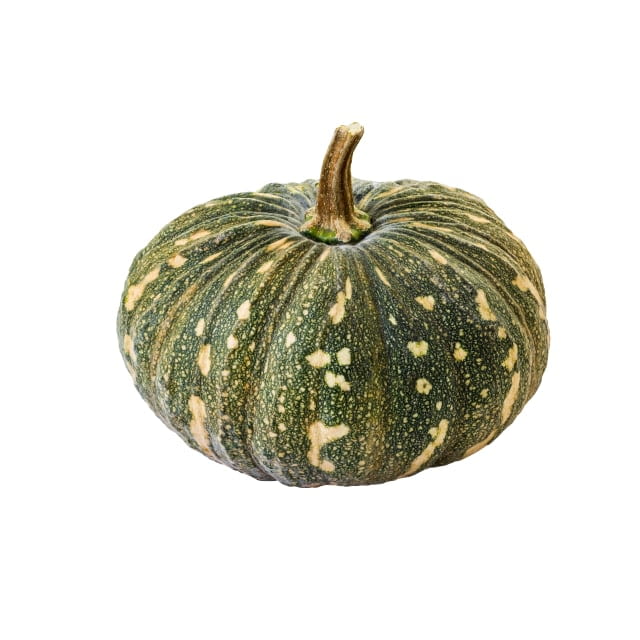
Kabocha squash is currently trading at $26.00 per case, marking a significant 31.6% decline over the past week. This sharp price adjustment is primarily driven by robust supplies from the Northeast and Canada, which are still actively harvesting and bringing product to market during their summer-fall season. October falls squarely within the peak harvest period for kabocha in the Northern Hemisphere, following strong yields in August and September, and the squash's excellent storage capabilities mean ample product is available. While USDA Market News for other domestic regions indicates a steady market, the increased availability from these key growing districts has put downward pressure on prices in New York.
- Artichoke Sunchoke / Jerusalem+31.3% / 3 months
The New York wholesale market is seeing Jerusalem artichokes quoted at $6.50 lb, reflecting a significant +31.3% increase over the past three months. This upward trend is primarily driven by challenging growing conditions in France, our current shipping origin for October. France experienced a relentless summer in 2026, marked by intense heatwaves and exceptional drought, which severely impacted various root vegetables and other crops. While specific yield data for sunchokes is not yet available, these widespread adverse weather conditions likely constrained tuber development, leading to anticipated tighter supplies as the harvest season commences in late October and November. Buyers should anticipate continued firm pricing as the market adjusts to these reduced volumes from the primary shipping region.
- Holland style red pepper+30.8% / week
The New York wholesale market is seeing Holland style red pepper prices jump to $17.00 per case, marking a significant +30.8% increase over the past week. This sharp escalation is primarily attributed to the ongoing seasonal transition in growing regions, as Canadian greenhouse production is rapidly winding down for the season. Concurrently, while Mexican supplies are beginning to enter the market, they have not yet reached full volume, creating a temporary gap in overall availability. Additionally, cooler autumn weather and the onset of frost conditions in Eastern Canada and the Northeast United States are likely contributing to reduced late-season harvests from these domestic and nearby sources, further tightening the market. Buyers should anticipate continued firm pricing until Mexican production fully ramps up later in October.
- Acorn squash-29.3% / 3 months
Acorn squash is currently priced at $29.00 per case, reflecting a significant -29.3% decrease over the past three months. This downward trend is largely attributed to the abundant fall harvest now in full swing across key growing districts in the Northeast United States and Canada. With peak harvest occurring through September and October, ample supply from regions like Ontario, New Jersey, and Ohio is readily available, stabilizing the market at current levels. Buyers can expect consistent availability as these regions continue to ship their mature, hard-rind squash.
- Cara cara orange-29.1% / 3 months
The current price for Cara Cara oranges stands at $39.00 per case, marking a substantial 29.1% decline over the past three months, although the market has stabilized with no change week over week. This price adjustment is primarily attributed to a strong finish of the Southern Hemisphere citrus season, which saw increased export volumes of oranges reaching the U.S. market through September. Concurrently, optimistic forecasts for the upcoming domestic season, including a projected 8% increase in California's Cara Cara production for 2026-27 and a 5% rise in Florida's overall orange output for the 2025-26 season, have further contributed to the downward pressure on prices as buyers anticipate ample supply.
- Kumquat+29.0% / 3 months
Kumquat prices have climbed to $89.00 per case, reflecting a notable 29.0% increase over the past three months. This upward movement is primarily attributed to very light supplies from California, a key domestic shipping district in October. As the market navigates a transitional period for U.S. kumquat production, the limited availability from California is creating upward price pressure. While Southern Hemisphere origins like Chile and South Africa are actively shipping, the current domestic supply dynamics appear to be the dominant factor influencing the market.
- Yellow watermelon-28.7% / 3 months
The price of yellow watermelon has seen a significant decrease, currently at $9.95 each, reflecting a -28.7% drop over the last three months. This downward trend is largely attributed to the ongoing seasonal transition in growing districts, as late-season domestic harvests from California and Arizona begin to wind down and are increasingly supplemented by rising import volumes from Mexico. As cooler weather reduces overall demand across growing regions, the market is experiencing an easing of supplies, with stronger Mexican volume anticipated to continue through October. This increased availability from key shipping origins contributes to the more favorable pricing observed by buyers.
- Turmeric-28.6% / 3 months
The current price for turmeric is holding at $4.25 per case, reflecting a significant -28.6% decline over the past three months, though it has remained stable week over week. This downward trend appears to be driven by robust and consistent supply from several key tropical growing regions currently shipping to the New York market. The Dominican Republic is in its peak turmeric season, while Fiji and Jamaica both report year-round harvesting and have seen increased export volumes in 2024, contributing to a healthy flow of product. With Thailand also experiencing a year-on-year price decrease and increased exports, the collective strong availability from these origins has likely contributed to the market softening, suggesting current pricing offers a favorable buying opportunity.
- Peeled garlic Christopher Ranch+28.3% / 3 months
Peeled garlic from Christopher Ranch is currently trading at $34.00, marking a notable increase of +28.3% over the past three months. This upward price movement is largely attributable to a snug supply across the garlic market, a lingering effect of earlier weather disruptions in major global growing regions that impacted the 2026 crop. Compounding this, truck freight rates from California to the East Coast remain elevated, with higher diesel costs and tighter capacity adding significant pressure to delivered prices. Buyers should expect firm pricing to continue as these supply and transportation challenges are likely to persist.
- Rainbow carrots-27.8% / 3 months
The current price for Rainbow Carrots is $26.00 per case, reflecting a notable 27.8% decrease over the past three months and a 10.3% drop week over week. This downward trend is primarily driven by robust supplies from multiple shipping origins entering their peak harvest periods. California's main crop in the Cuyama/Lancaster region is reporting strong availability and good quality, while Michigan and New York are actively harvesting their fall carrot crops, with favorable weather aiding fieldwork. Additionally, Canadian regions like Ontario and Quebec are in full swing with their carrot harvests, including the start of storage crops, further contributing to the increased market volume. International sources from Belgium and the Netherlands also show significant year-on-year production increases and lower prices, alongside seasonal harvests in Colombia supporting temporary price declines, collectively creating a well-supplied market.
- Radish daikon+27.3% / 3 months
The current price for daikon radish stands at $56.00 per case, marking a substantial +27.3% increase over the last three months, pushing it to the high end of its 12-month range. This escalation appears to be driven by a confluence of seasonal transitions and challenging weather in active growing regions. While Quebec maintains year-round production, recent heavy rainfall in Ohio, a current shipping origin, has resulted in surplus soil moisture and a slower harvest pace for various crops, which likely affects daikon availability. As the local summer vegetable season concludes, the market typically sees increased demand for root vegetables, further tightening supplies and contributing to the elevated pricing.
- Lemons-26.9% / 3 months
The lemon market is currently trading at $38.00 per case, reflecting a significant 26.9% decrease over the past three months. This downward trend is primarily driven by robust supplies entering the market from multiple growing regions. Southern Hemisphere imports, particularly from Chile and South Africa, have seen substantial increases in export volumes for the 2026 season, contributing to abundant availability and pressuring international prices. Concurrently, domestic production from California's District Two continues to perform well, and Florida's lemon harvest is now underway in October, further bolstering overall supply. With increased volumes from both international and domestic sources, buyers can capitalize on favorable pricing as the market remains well-supplied.
- Gourds+26.9% / week
The New York wholesale market is seeing gourd prices climb to $33.00 per case, reflecting a significant +26.9% increase over the past week. This upward movement is primarily driven by harvest delays and losses in key Central American growing districts, particularly Guatemala, where irregular rainfall and a prolonged dry spell have impacted the *primera* harvest that typically begins in September. Compounding these supply challenges are elevated truck freight costs from Mexico, where tightening capacity and record-high diesel prices are adding pressure to transportation expenses for imported produce. Buyers should anticipate continued firm pricing as these supply and logistical constraints persist.
- Nectarines+26.3% / 3 months
The current price for nectarines stands at $48.00 per case, reflecting a notable 26.3% increase over the past three months. This upward movement is primarily due to the premature conclusion of the California growing season, which is our main shipping origin for October. Unusually warm weather earlier in the year accelerated crop development, leading to an earlier-than-normal harvest and a subsequent winding down of supplies. As a result, offerings from California are now very light, with yellow and white nectarines already finished for the season, creating a supply gap that is pushing prices higher as we approach the verified November-December availability void.
- Black plums+26.1% / 3 months
Black plum prices are currently holding firm at $58.00 per case, reflecting a notable increase of +26.1% over the last three months. This upward trend is primarily driven by the accelerated conclusion of California's stone fruit season, which saw an earlier-than-normal finish in 2026 due to unusually warm weather conditions that pushed crop development ahead of schedule. As the primary shipping origin for October, the winding down of California supplies is creating tighter availability in the market, leading to the higher pricing we are observing. Buyers should anticipate continued firm pricing as we approach the verified supply gap in November and December.
- Red plums+26.1% / 3 months
The current price for red plums is $58.00 per case, reflecting a significant increase of +26.1% over the last three months. This upward trend is primarily driven by the accelerated California stone fruit season, which experienced an unusually warm start and an earlier-than-normal conclusion for many varieties, including plums. Consequently, red plums are now available in lighter volumes, with a prevalence of larger sizes, contributing to tighter supplies in the market as the season winds down. Growers also reported some weather-related challenges earlier in the season, which may have impacted overall yields and sizing, further constraining availability. Buyers should anticipate continued firm pricing as the domestic supply from California diminishes ahead of the typical November-December gap.
- Jumbo potato yams-25.0% / week
The market for jumbo potato yams has seen a sharp -25.0% decline this week, bringing the current price to $24.00 per case. This significant drop is primarily driven by the seasonal transition as new crop sweet potatoes become increasingly available from various growing districts, including ongoing harvests in the U.S. While Idaho's potato harvest is concluding, contributing to the broader potato supply, the overall sweet potato market is experiencing a typical fall influx of fresh product. USDA Market News reports from other major sweet potato regions confirm this trend, indicating increased seasonal movement and slightly lower prices for jumbo sizes, which influences the wider market. This expanding supply is creating more competitive pricing for jumbo potato yams.
- Red pears-25.0% / 3 months
The red pear market has seen a notable decline, with current prices at $36.00 per case, marking a 25.0% decrease over the past three months. This downward pressure stems primarily from the ongoing new crop harvest in the Pacific Northwest, where growers in Washington and Oregon are reportedly facing poor prices. Despite a USDA forecast for a smaller overall U.S. pear harvest, a lighter fruit set in the Northwest has yielded larger-than-average fruit sizes, contributing to a sufficient marketable supply that is currently exceeding demand at the farm gate. With moderate availability of red pear varieties, buyers can capitalize on the current pricing environment.
- Hydroponic boston bibb lettuce+25.0% / 3 months
The price for hydroponic Boston bibb lettuce has climbed to $22.50 per case, marking a notable 25.0% increase over the last three months. This upward trend is largely driven by a tightening supply picture across the broader lettuce market, as Canadian greenhouse production begins to wind down for the season and California's Salinas Valley faces ongoing supply challenges. Although hydroponic operations offer consistent year-round availability, the general market for leafy greens has been impacted by earlier demand reductions and unharvested fields in California following a Cyclospora outbreak that affected other lettuce varieties, indirectly contributing to overall market firmness. Furthermore, elevated truck freight rates from key growing districts to the East Coast continue to exert upward pressure on prices, with reefer spot linehaul rates remaining significantly higher compared to last year.
- Tuscan kale+25.0% / week
Tuscan kale is currently priced at $10.00 a case, reflecting a significant 25.0% week-over-week increase. This sharp upward movement is primarily driven by unsettled weather conditions impacting regional harvests in the Northeast, particularly in New Jersey and New York, which have experienced heavy rainfall and cooler temperatures in late September. With local supply potentially curtailed, the market is leaning more heavily on shipments from distant origins like California and Mexico. Compounding this shift, truck freight rates from the West Coast remain elevated due to high diesel prices and strong seasonal demand for refrigerated transport, adding considerable cost to delivered product.
- Asian cut crown Broccoli+24.6% / week
The market for Asian cut crown Broccoli has seen a notable surge, with current prices at $38.00 per case, marking a +24.6% increase over the week. This escalation is largely due to constrained supplies from primary Western growing regions, as elevated temperatures linked to strong El Niño conditions continue to affect yields and quality in California, resulting in smaller sizing and other defects. Mexican production, a crucial base, remains very light and is anticipated to stay limited for several more weeks. Compounding these issues, heavy insect pressure, particularly from diamondback moths, is further tightening availability and leading to prorates from some growers. Additionally, rising truck freight rates from the West Coast are contributing to the upward price pressure.
- String green beans+24.5% / week
The New York wholesale market is experiencing a significant price surge for string green beans, now quoted at $46.00 per case, marking a +24.5% increase week-over-week. This sharp upward trend is primarily attributed to the ongoing seasonal transition, as cooler temperatures are causing a slowdown in production from Northeast growing districts. Simultaneously, the expected heavy volume from the Southeast, including Florida, Georgia, and the Carolinas, has yet to fully develop, likely impacted by earlier weather challenges and recent tropical system activity that has delayed harvests and reduced yields in those key regions. This confluence of factors has created a temporary supply deficit, driving market prices higher for available product.
- Snipped green beans+24.4% / week
The market for snipped green beans has seen a significant jump this week, with prices now at $29.85 per case, reflecting a +24.4% increase. This upward movement is primarily driven by tightening supplies of French beans from Guatemala and Mexico, with Guatemalan yields specifically impacted by ongoing El Nino-related hot, dry conditions that are expected to increase autumn supply risks. Furthermore, overall bean production in Mexico is projected to decline year-on-year, contributing to a more constrained supply. While Florida's fall green bean crop is beginning to arrive, its current volume may not yet be sufficient to fully offset these regional shortages. This recent spike contrasts with a modest -3.2% decline over the past three months, indicating a shift towards tighter availability.
- Beefsteak tomato+23.1% / week
Beefsteak tomato prices have surged to $32.00 per case, marking a significant +23.1% increase over the past week, as North American growing regions navigate challenging transitions and adverse weather. Florida's field-grown crop is just beginning its season, following reports of hurricane damage, winds, and flooding that impacted earlier plantings and caused widespread shortages. Concurrently, Mexico's greenhouse supply has seen reduced availability due to persistent heat and rainfall, while California's field production, though steady, is facing higher demand and lingering effects of extreme summer heat that reduced yields and quality. These supply pressures are further compounded by elevated truck freight costs, driven by high diesel prices and driver scarcity across the supply chain. With demand expected to strengthen and no major oversupply anticipated in October, procurement conditions are likely to remain firm.
- Snow pea+23.1% / week
The current price for snow peas has surged to $48.00 per case, marking a substantial +23.1% increase over the past week. This upward trend is largely attributable to extremely limited supplies of Guatemalan snow peas and sugar snap peas, which are a key air-freighted component of the market, leading to a highly active trading environment. Domestic availability from California and Long Island is also facing constraints due to weather-related disruptions and ongoing field transitions. Additionally, elevated air freight costs for imported produce are contributing to the higher price levels. Buyers should anticipate tight supplies and elevated pricing to continue in the near term.
- Red fresno peppers-22.0% / week
The price of red Fresno peppers has fallen to $46.00 per case, marking a significant 22.0% drop over the past week. This sharp decline is primarily driven by an increase in available supply as multiple growing districts ramp up production. Hot pepper production is stabilizing across varieties, with strong volumes arriving from key regions like Mexico and California. This influx of product, combined with the typical seasonal trend of lower prices for red Fresno peppers in October, creates a favorable buying opportunity. Buyers can expect continued stability or further downward pressure on prices in the near term.
- Blackberries-21.7% / week
The New York wholesale market is seeing blackberry prices at $36.00 per case, a notable 21.7% decrease week-over-week. This downward trend is primarily driven by the seasonal ramp-up of imports from Mexico and Peru. Mexican blackberry production is forecast to increase by 3% in 2026, with volumes anticipated to build significantly through October as the primary harvest cycle begins. Similarly, Peru is extending its production season and has started the 2026-2027 season with more than double the exported volume compared to the previous year, with overall supply gradually increasing to offset declining domestic production. As these key origins increase their shipments, the market is experiencing greater availability, contributing to the recent price adjustment.
- Pencil asparagus-20.6% / week
Pencil asparagus is currently trading at $54.00 per case, marking a notable -20.6% decline over the past week. This significant price adjustment is primarily driven by an anticipated increase in supply from key growing regions. Peru is entering its peak production period for October and November, with new fields in southern areas like Ica contributing to gradually improving overall volume. Concurrently, Mexican supply, which had faced earlier constraints, is showing signs of recovery and is expected to continue increasing throughout October, further enhancing market availability. This combined influx of product from both origins is easing previous market tightness and offering more competitive pricing to buyers.
- Broccoli rabe-18.8% / week
The New York wholesale market is currently quoting broccoli rabe cases at $56.00, reflecting a notable -18.8% decrease week over week. This price adjustment is largely attributed to a robust increase in available supply as multiple growing regions reach their peak for fall harvests. Both New Jersey and New York State are actively shipping fresh local volume, while Canadian production of related brassicas also remains strong, contributing to the overall market abundance. Additionally, California's organic broccoli rabe supply, which faced an industry-wide gap earlier in the season, is expected to have fully recovered by October, further enhancing market availability. This confluence of plentiful supply from various origins is creating a more favorable buying environment for professional buyers.
- Red cherry tomatoes on the vine+18.2% / week
The market for red cherry tomatoes on the vine has seen a significant jump, with the current price now at $26.00 per case, reflecting an 18.2% increase over the past week. This upward trend is largely attributable to a combination of seasonal growing-district transitions and challenging weather impacting key shipping regions. Harvests in the southeastern United States, specifically Tennessee and North Carolina, are concluding, while Florida's field-grown crop is just starting with very light initial volumes. Concurrently, Mexico has experienced reduced availability due to heat and rainfall, further tightening supply as Canadian greenhouse production also faced an early cold snap in September. With demand expected to strengthen as local programs wind down, procurement conditions are likely to remain firm.
- Strawberries-17.9% / week
The price of strawberries has fallen to $32.00 per case, marking a significant -17.9% drop over the past week. This decline is largely attributed to the seasonal transition and increasing volumes from key growing districts. New production from Baja California, Mexico, and fall acreage in Santa Maria, California, has begun to come online, with healthy plants contributing to a gradual increase in overall supply. Additionally, Peru continues to show strong export growth, with strawberry exports to the U.S. up over 32% as of early October, further bolstering market availability. This influx of fruit is easing market pressure and driving prices down.
- Graffiti eggplant+17.2% / week
Graffiti eggplant is currently quoted at $34.00 per case, reflecting a significant +17.2% increase week over week. This upward movement is primarily driven by the seasonal transition in growing districts, as summer and fall production from the Northeast and other Eastern US states like New Jersey and North Carolina winds down. While Florida is entering its planting season for fall and winter crops, full volume to offset the decline from northern regions is not yet consistently available. Supplies from Honduras are year-round but have seen price increases, and Dutch greenhouse production, while steady, also experienced rising prices in September. Buyers should anticipate continued firm pricing until new crop volumes from winter districts fully establish.
- Peaches-16.4% / week
The current price for peaches stands at $46.00, reflecting a significant 16.4% drop over the past week. This downward movement is likely attributed to the accelerated conclusion of California's peach season, the sole origin currently shipping to New York. Warmer-than-average spring temperatures pushed crop development ahead, leading to an earlier-than-usual end to the harvest for stone fruit across the state. As growers and shippers clear remaining volumes before the verified November-December gap, a temporary increase in available supply has likely depressed market prices. Buyers should consider this short-term opportunity before the market transitions to a period of limited availability.
- Orange+16.4% / week
The New York wholesale orange market has seen a significant price jump, with cases now quoted at $46.00, reflecting a 16.4% increase over the past week. This sharp upward move is largely due to a tightening of available supply as the Southern Hemisphere orange season concludes, notably with South African Valencia exports to Europe ending in late September and overall Southern Hemisphere orange production forecast to decrease by over 8% in 2026. Concurrently, the domestic US orange season is in a transitional phase, with California's new Navel crop just beginning to ramp up for shipping later in October, and Florida's early varieties starting amidst historically low production volumes. Furthermore, Mexico's orange production for the 2025/26 season was negatively affected by heavy rains and tropical storms in October 2025, contributing to reduced yields and inconsistent quality that continue to impact current supply. Buyers should expect prices to remain firm until more substantial domestic volumes become consistently available.
- Brussel sprouts-15.7% / week
The New York wholesale market is seeing Brussel sprouts at $48.00 per case, a significant -15.7% drop over the past week, though still up 23.1% over three months. This recent downward movement is largely attributed to the increasing volume from California's fall harvest, which is now in full swing with promotable volumes expected from Santa Cruz County. Concurrently, consistent supplies from Mexico, a leading exporter, continue to contribute to the market, with bulk organic options anticipated to return by mid-October. The combined effect of these key growing regions ramping up production has led to lower shipping point prices, as noted by the USDA, indicating an easing of market tightness.
By family
Median three-month change per family — the median rather than the average, so one runaway item does not speak for the whole family.
Sourcing origins in play
Origins that supply New York in Oct, and how many of the items they source moved over the last three months. This shows where the moving products come from — it does not claim the origin caused the move.
At their yearly low
Trading at or within 2% of their lowest price over the past 12 months.
- Frozen raspberries$44.00 / 10-20LB case-42.1%
- Squash kabocha$26.00 / 40LB case-31.6%
- Lemons$38.00 / 95SZ case-26.9%

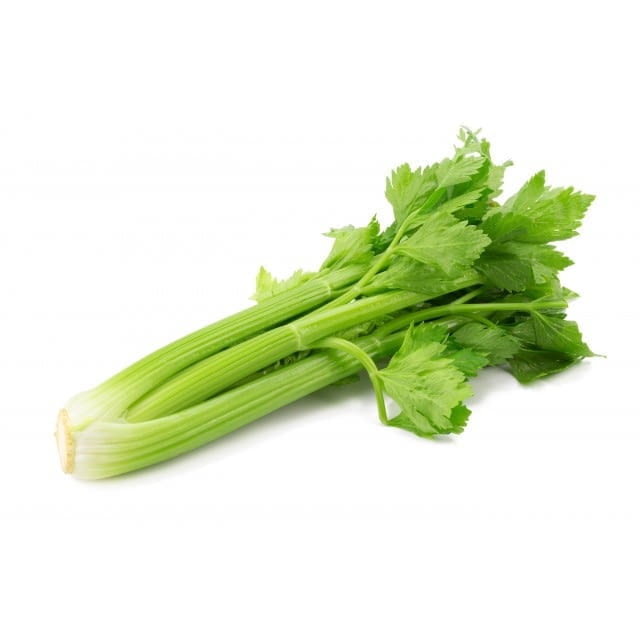
- Celery$27.00 / 24/30SZ case-15.6%
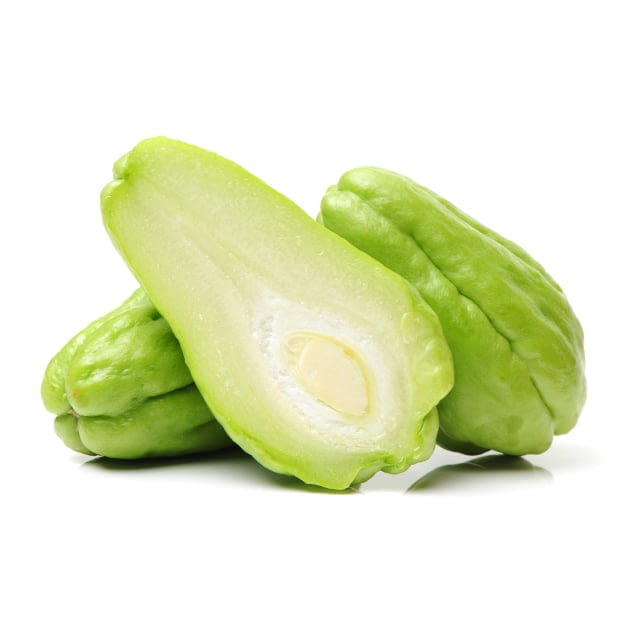
- Chayote squash$34.00 / 40LB case-2.9%
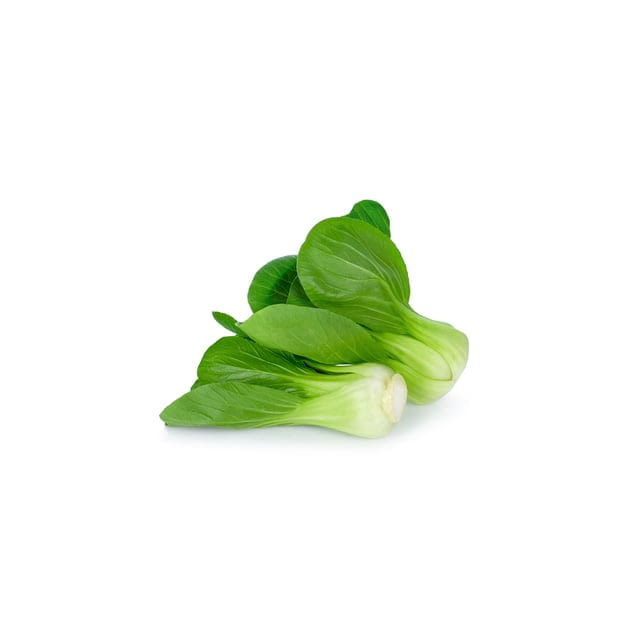
- Baby bok choy$34.00 / 30LB case—
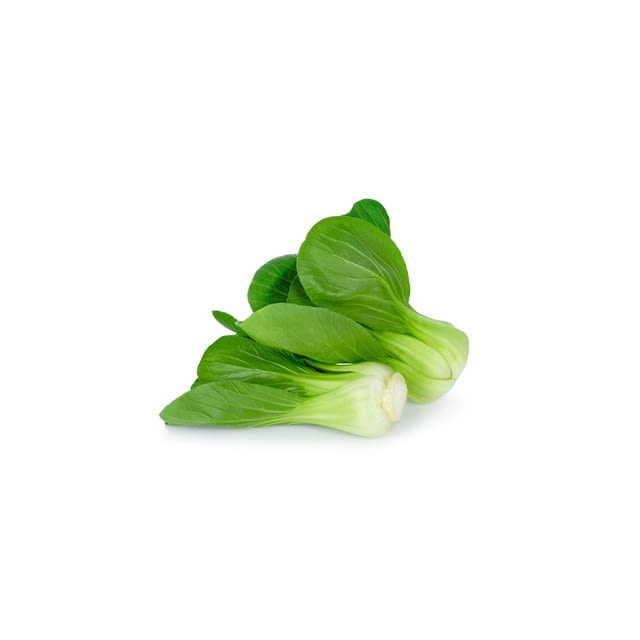
- Baby shanghai bok choy$4.95 each—
- Banana singles$28.00 / 40LB case—

- Basil thai$18.00 / kg—
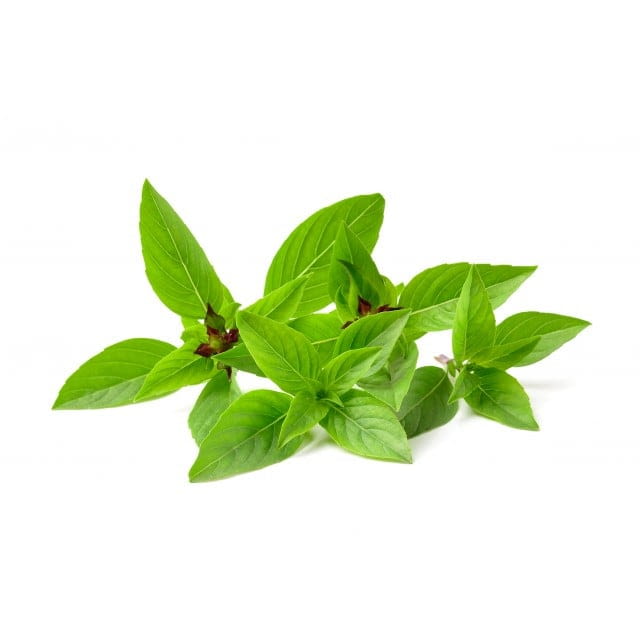
- Bay leaf$21.00 / kg—

- Bean sprout$3.50 / lb—
- Beefsteak yellow tomato$36.00 / 10LB case—